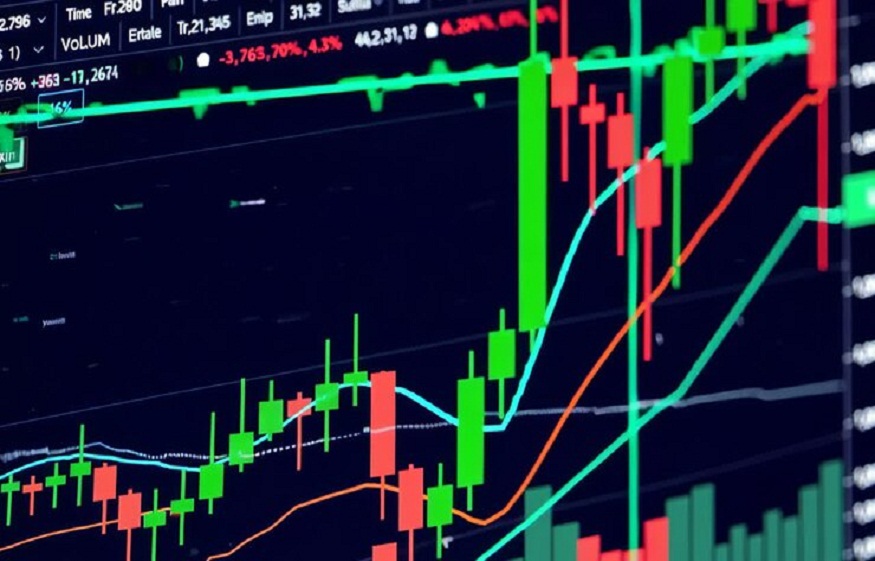
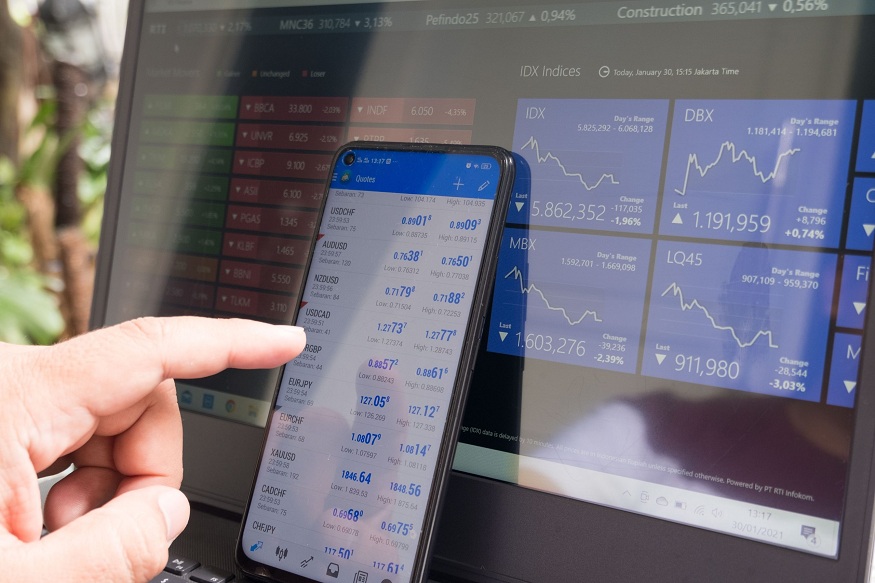
The US30 can spend part of a trading session moving within a narrow range before suddenly accelerating in one direction. For traders watching the index, these transitions can create both opportunities and uncertainty. Understanding what drives price movement and how momentum develops can make intraday analysis more structured. Instead of reacting to every candle, traders can focus on the relationship between market structure, volatility, momentum, and important price levels.
Price action offers a practical way to study these relationships because it concentrates on observable market behaviour. Traders can examine swing highs, swing lows, breakouts, pullbacks, consolidations, and reactions around key levels. When these elements are considered together, the US30 becomes less about isolated price movements and more about recognising how buying and selling pressure develops throughout a session.
Understanding US30 Price Action
Price action is essentially the study of how an asset’s price behaves over time. On the US30, this can involve identifying whether the market is producing higher highs and higher lows, lower highs and lower lows, or moving sideways between established boundaries. Each structure provides different information about the balance between buyers and sellers.
A trending market generally displays directional consistency, although it rarely moves in a straight line. Pullbacks and temporary consolidations are common even when the broader structure remains intact. A ranging market, by comparison, may repeatedly test similar highs and lows without establishing sustained direction. Recognising the difference can help traders avoid applying a trend-following approach to a market that is currently consolidating.
Read More: Finding Your Comfort Zone With MT4 Trading
The broader market environment also matters. The US30 reflects the performance of major U.S. companies and can respond to changes in economic expectations, interest rates, corporate developments, and investor sentiment. This means technical patterns should be viewed within their wider context rather than treated as completely independent signals.
Reading Momentum Without Chasing Price
Momentum refers to the strength and persistence of a price movement. Strong momentum can appear when the US30 moves decisively beyond a previous swing high or low and continues in the same direction. However, speed alone does not prove that a move will continue. A sudden surge can lose momentum just as quickly if market participants begin taking profits or new information changes sentiment.
One useful technique is to study what happens after an important level has been broken. Suppose the index moves above a previous resistance area and then remains above it during a subsequent pullback. That behaviour can provide more meaningful information than the initial breakout alone. If price immediately falls back below the level, the breakout may have lacked sustained follow-through.
Understanding the underlying instrument is equally important before interpreting these movements. Traders researching what is US30 can establish a clearer foundation for understanding why the index attracts attention and why movements in broader U.S. equities can influence its intraday behaviour. That basic knowledge can make technical analysis more meaningful because price patterns are being interpreted within the correct market context.
Managing Volatility and Market Context
Volatility can dramatically change the way price action develops. During quieter periods, the US30 may move gradually between nearby levels. When volatility expands, however, individual candles can become significantly larger and previously established support or resistance zones may be tested rapidly. This can make entries, exits, and stop placement more challenging.
Traders should therefore avoid assuming that identical strategies will behave the same way under every market condition. A setup that works during a relatively calm session may require different risk considerations when the daily range is expanding quickly. Monitoring the pace and size of recent price movements can help traders recognise when market conditions have changed.
Read More: Why Commodities Trading Resonates With Mexican Traders Who Watched Oil Prices Grow Up
Economic events are another important consideration. Inflation reports, employment figures, Federal Reserve decisions, and central-bank commentary can influence expectations for interest rates and economic growth. These developments can produce sudden changes in equity-index sentiment. The resulting price movement may appear purely technical on a chart, even though a fundamental catalyst is responsible for the increased activity.
Using Intraday Structure More Effectively
Intraday structure gives traders a framework for organising price movement. Relevant reference points can include the previous day’s high and low, the current session’s opening price, recent swing points, and areas where price has repeatedly reacted. These levels are not guarantees of support or resistance, but they can help traders understand where market participants have previously shown interest.
Breakouts require particular attention because not every break results in a lasting trend. A move above resistance followed by continued trading at higher levels can indicate stronger acceptance than a brief spike above the level followed by a sharp reversal. Watching how price behaves after crossing an important level can therefore provide valuable information about whether momentum is being sustained.
Conclusion
Reading US30 price action effectively requires more than identifying whether the index is moving higher or lower. Momentum, volatility, market structure, economic context, and reactions around important levels all contribute to a more complete picture. When these factors are considered together, traders can better distinguish between meaningful structural moves and short-lived price fluctuations.
The goal is not to predict every movement in the index. A more practical objective is to develop a consistent process for observing conditions, evaluating potential setups, and managing risk. By paying attention to how price behaves rather than simply where it is moving, traders can approach US30 analysis with greater structure, patience, and discipline.